

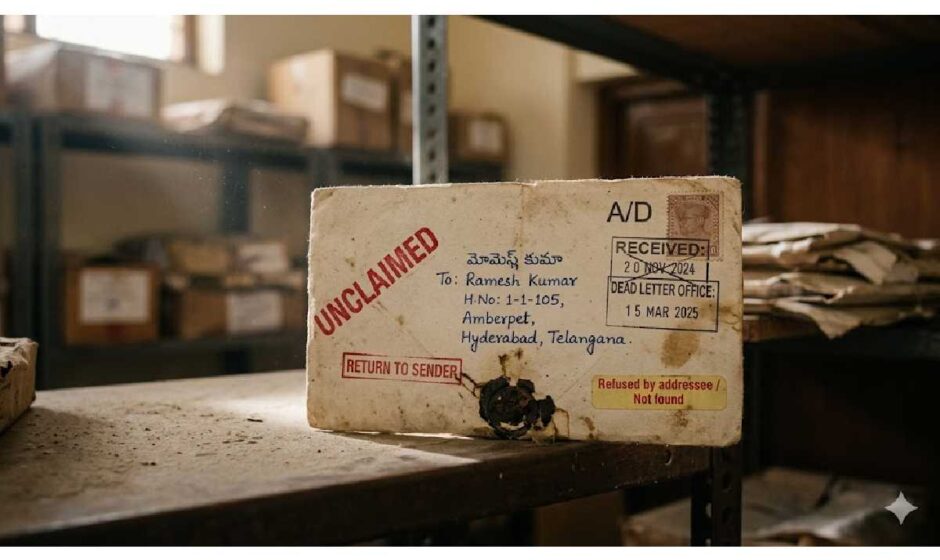

Unclaimed Lifafa: Decoding Pending Rewards, Digital Gifts, and Safe Claiming Steps
Lately, the phrase “unclaimed lifafa” has exploded in popularity across chat apps, reward platforms, mobile payment systems, and promo drives in India. Traditionally, “lifafa” means a paper envelope in Hindi and Urdu, used to slip in cash or gifts during festivals. Now, it’s become slang for digital cash rewards, promo bonuses, clickbait cashback, surprise money drops, and online perks.
You’ve probably seen a pop-up or message saying you’ve got an “unclaimed lifafa” waiting. These alerts pop up in mobile apps, UPI wallets, social media loops, shopping sites, and invite-through-friends setups. Some are legit, but others are tricky, fake, or outright scams.
To navigate today’s web safely, you need to know how unclaimed lifafa systems work, spot real offers, and guard your personal data.
This guide breaks down what “unclaimed lifafa” really means, how the whole setup rolls, why rewards sit uncollected, safety traps, scam red flags, and how to verify and claim real rewards without falling victim.
What Exactly Is an “Unclaimed Lifafa”?
Back in the day, a lifafa was a physical envelope holding cash, letters, or presents at Indian celebrations.
In the digital realm, it now signals:
-
Cashback drops
-
Promo bonuses
-
Invite perks
-
Digital gift vouchers
-
Festival cash offers
-
Surprise cash rewards
An “unclaimed lifafa” means you’ve got a reward sitting there, waiting for you to grab it.
The Boom of Digital Reward Culture in India
India’s breakneck digital shift has reworked how rewards and promo drives roll out.
Now, companies roll out digital perks to hook folks via:
-
Cashback deals
-
Invite bonuses
-
App usage rewards
-
Festive gift drives
-
Loyalty point programs
The surge in digital payments has supercharged online reward systems.
Growth of Digital Reward Users in India
Digital finance growth keeps fueling reward campaigns.
Digital Reward Growth Visual
Growth of Digital Reward Users in India
2020 | ██████
2023 | █████████████
2026 | ███████████████████
Common Types of Unclaimed Lifafa Rewards
Different platforms dish out rewards in different forms.
1. Cashback Drops
Payment apps often give cashback after you pay. Folks sometimes forget to grab it before it expires.
2. Invite Bonuses
Apps reward you for bringing in friends or family. Unclaimed invite cash often shows up as a waiting lifafa.
3. Festival Promo Drops
Indian festivals often trigger digital gift drives. Think:
-
Diwali
-
Eid
-
Holi
-
Raksha Bandhan
Bizs roll out festive perks to boost user engagement.
4. Shopping Perks
Shopping sites sometimes stash voucher balances or digital coupons. You might miss these if you ignore alerts.
5. Game & App Rewards
Mobile games and apps sometimes hand out:
-
Virtual coins
-
Bonus credits
-
Promo treats
You’ll get pinged about unclaimed prizes.
Where Unclaimed Lifafa Alerts Pop Up
Why Rewards Sit Unclaimed
Rewards often go untouched for a few key reasons.
1. Missed Alerts
Folks don’t spot notifications about waiting perks.
2. Time Limits
Some perks clock out after a short window.
3. Confusing Claim Flows
Tricky claim steps scare users off.
4. App Glitches
Tech hiccups block access to rewards.
5. Scam Fear
Some skip legit alerts, worried about fakes.
The Surge of Online Reward Scams
Sadly, scammers ride the wave of digital reward hype.
Phony messages often claim you’ve got:
-
Cash piles
-
Luxury gift drops
-
Festival cash bonuses
-
Surprise money transfers
These scams try to snatch your personal or banking info.
Common Scam Red Flags
Never click random links without checking.
How Scammers Lure Users
Scammers often hit you with:
-
Fake SMS alerts
-
Phishing emails
-
WhatsApp forwards
-
Fake websites
-
Social media ad traps
These messages can look shockingly real.
Why Verification Is Non-Negotiable
Before grabbing any reward, double-check:
-
Official platform sources
-
Website authenticity
-
Secure URLs (https)
-
App legitimacy
Never trust random messages without verification.
Safe Ways to Check & Claim Rewards
Always access rewards through official apps, not sketchy external links.
Recommended Safety Moves
Digital Fraud Growth in India
As digital platforms swell, scam attempts do too.
Growth of Online Fraud Attempts
Growth of Online Fraud Attempts
2020 | ██████
2023 | ████████████
2026 | █████████████████
Cybersecurity smarts are now a must.
How Legit Reward Systems Roll
Authentic reward setups usually follow clear steps:
-
Complete eligible actions
-
Get reward alerts
-
Verify account activity
-
Manually claim the perk
-
Shift benefits to wallet or account
Legit platforms almost never ask for banking details via messages.
Why Cybersecurity Smarts Matter
Digital literacy keeps scammers at bay.
Key safety habits:
-
Dodge suspicious links
-
Never share OTPs
-
Use rock-solid passwords
-
Turn on two-factor auth
Security awareness cuts financial risks.
The Role of Digital Payment Platforms
India’s digital payment revolution has flipped online rewards.
UPI systems and mobile wallets now back:
-
Cashback drives
-
Invite perks
-
Promo offers
This has spiked engagement across money apps.
Popular Digital Reward Types
Digital reward ecosystems keep swelling.
The Psychology Behind Reward Systems
Reward alerts spark excitement and curiosity.
Bizs use perks to:
-
Boost engagement
-
Push repeat usage
-
Lure new users
Psychological bait strongly shapes user behavior.
Risks of Sharing Personal Info
Some fake reward systems beg for:
-
Bank details
-
Passwords
-
Aadhaar numbers
-
OTP codes
Never spill confidential data to unknown sources.
Safe Digital Habits
Recommended Online Safety Practices
Why Folks Fall for Fake Rewards
Scammers play on emotions like:
-
Excitement
-
Urgency
-
Greed
-
Curiosity
Messages promising huge cash drops look extra tempting.
Social Media’s Role in Reward Drives
Many reward loops spread fast via:
-
WhatsApp groups
-
Telegram channels
-
Instagram promos
-
Facebook ads
Unfortunately, scammers hijack these platforms too.
Digital Literacy in India
As internet access balloons, digital education becomes critical.
Folks need smarts on:
-
Cybersecurity
-
Online scam prevention
-
Secure digital payments
Education trims scam odds.
The Future of Digital Reward Systems
Digital reward setups will keep evolving.
Future trends might include:
-
AI-backed personalized perks
-
Blockchain reward rails
-
Gamified loyalty drives
-
Instant cashback auto-claims
Bizs keep pouring cash into customer engagement systems.
Upsides of Legit Reward Systems
When run right, reward setups hand real perks.
Benefits for Users
Hurdles in Digital Reward Ecosystems
Despite perks, challenges linger.
Major Hurdles
Platforms must boost trust and openness.
How Trusted Platforms Build Confidence
Reputable platforms often offer:
-
Secure verification rigs
-
Official support lines
-
Transparent reward rules
-
Fraud shield measures
Strong security boosts user faith.
Why Reading Terms & Conditions Matters
Folks should carefully scan reward conditions.
Key details to check:
-
Expiry dates
-
Eligibility rules
-
Withdrawal caps
-
Reward limits
Understanding terms avoids future headaches.
How Tech Is Beefing Up Security
Modern platforms now use high-end security such as:
-
AI scam detectors
-
Biometric logins
-
Real-time transaction tracking
These techs boost user safety.
The Future of Digital Incentives in India
India’s digital economy keeps surging.
As more bizs fight for online space, reward-based marketing will likely grow even bigger.
Digital perks may become more tailored and stitched into everyday online moves.
Final Take
The term unclaimed lifafa mirrors the rising hype around digital rewards, cashback systems, and promo perks in India’s booming online economy. While many rewards are legit and handy, you must stay sharp about scams and fake messages designed to steal your personal info.
Knowing how digital reward systems roll, double-checking official sources, and sticking to rock-solid cybersecurity habits are key to managing online rewards safely.
As India’s digital world keeps evolving, smarts and responsible online behavior will stay vital to enjoying modern reward perks while dodging potential traps.