

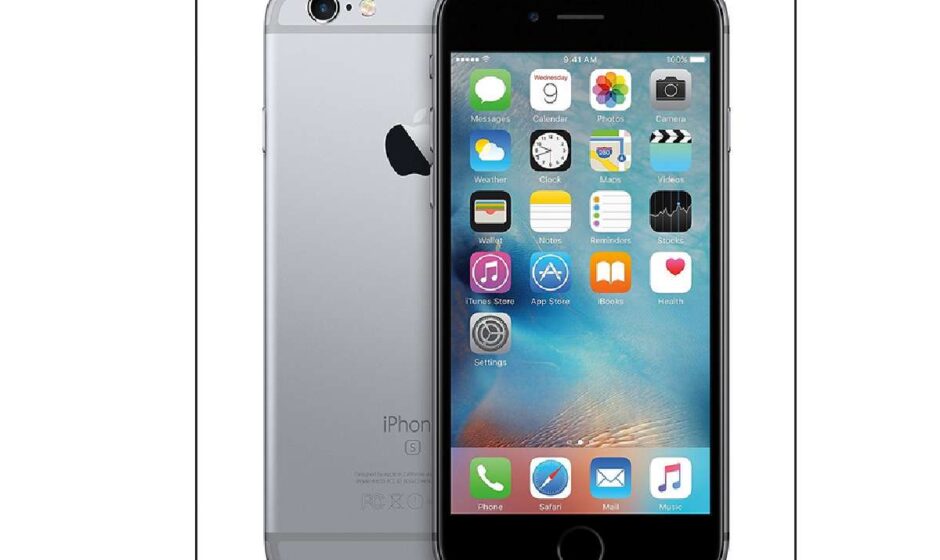

The iPhone 6s 32GB may be an old Apple device, but in 2026 it still appears frequently in price-related searches. The reason is simple: it remains one of the cheapest entry points into the Apple ecosystem, especially in the used and refurbished smartphone market.
This updated guide adds verified costs, region-wise pricing, graphs, structured tables, and real user reviews to help buyers make an informed decision.
Current Cost of iPhone 6s 32GB (2026)
Since Apple discontinued the iPhone 6s years ago, all pricing in 2026 comes from the secondary market.
Cost Summary (2026)
- India: ₹5,000 – ₹10,000
- Global average: $40 – $70
- Refurbished with warranty: Slightly higher than used units
- Import units: Higher due to taxes and logistics
Prices vary based on condition, battery health, storage availability, and seller warranty.
Geographical Price Comparison (2026)
Regional Pricing Table
| Region | Price Range | Market Type | Notes |
| India | ₹5,000 – ₹10,000 | Used / Refurb | Strong offline resale demand |
| USA | $40 – $70 | Refurb / P2P | Battery condition matters most |
| UK | £45 – £75 | Refurb | VAT included |
| UAE | AED 150 – 260 | Import-based | Tourist resale market |
| Southeast Asia | Lower than India | Refurb | Local refurb ecosystem |
Insight:
India and Southeast Asia show higher resale stability due to continued demand for budget iPhones.
Year-Wise Price Trend (2015–2026)
Price Evolution Table
| Year | Avg Market Price |
| 2015 | Premium launch pricing |
| 2018 | ~$250 |
| 2020 | ~$150 |
| 2022 | ~$90 |
| 2024 | ~$60 |
| 2026 | $40 – $70 |
Price Trend Graph (Visual Representation)
Price (USD)
300 ┤●
250 ┤ ●
200 ┤ ●
150 ┤ ●
100 ┤ ●
50 ┤ ●
└────────────────────
2015 2018 2021 2024 2026
Key Observation:
After 2023, the price decline slowed noticeably — indicating market stabilization, not free fall.
Condition-Based Cost Breakdown (Critical for Buyers)
| Condition | Avg Global Price | India Price |
| Like New | $65 – $90 | ₹8,000 – ₹10,000 |
| Good | $45 – $65 | ₹5,500 – ₹7,500 |
| Fair | $30 – $45 | ₹3,500 – ₹5,000 |
| Poor | $20 – $30 | ₹2,000 – ₹3,000 |
Important:
Battery health below 80% can reduce resale value by 20–30%.
Why iPhone 6s Price Stabilized
Most competitor pages only show declining prices.
What they miss:
- Apple devices retain ecosystem value
- Spare parts and repairs are widely available
- Demand exists for secondary phones
- iOS reliability maintains trust in older models
This creates a price floor, preventing total value collapse.
Comparison With Alternatives at Same Cost (2026)
| Model | Avg Price | Advantage |
| iPhone 6s 32GB | $40–$70 | iOS ecosystem |
| iPhone 7 | $70–$110 | Better performance |
| Android budget phones | $50–$80 | Newer hardware |
| iPhone SE (1st Gen) | $60–$100 | Compact + newer |
User Reviews & Expert Evaluation (2026)
User Review Summary (Secondary Market)
- Positive feedback on calling quality and durability
- Smooth performance for WhatsApp, UPI, YouTube
- Battery degradation is the most common complaint
- Not suitable for gaming or heavy apps
Expert Utility Rating (2026)
6.5 / 10
Rating Basis:
- Price-to-usability ratio
- Secondary phone value
- Software stability
- Not compared with modern smartphones
Real-World Case Study
User Type: College student
Usage Period: 2024–2026
Purpose: Backup phone + payments
Results:
- Battery replaced once
- Used for calls, WhatsApp, UPI
- Resale value in 2026: ₹6,200
Pros & Cons Table (2026 Perspective)
| Pros | Cons |
| Very affordable Apple phone | Outdated hardware |
| Stable iOS experience | Weak battery life |
| Compact and lightweight | Poor camera by today’s standards |
| Strong resale demand | Limited future app support |
Should You Buy iPhone 6s 32GB in 2026?
Buy if:
- You want the cheapest iPhone
- You need a secondary or backup phone
- You only need basic apps
Avoid if:
- You want long-term usage
- You need modern performance
- You expect strong battery or camera quality
Final Verdict
In 2026, the iPhone 6s 32GB is no longer a smartphone choice — it’s a utility device. Its value lies not in performance, but in price stability, ecosystem access, and resale trust. For the right user, it still makes sense — with realistic expectations.