

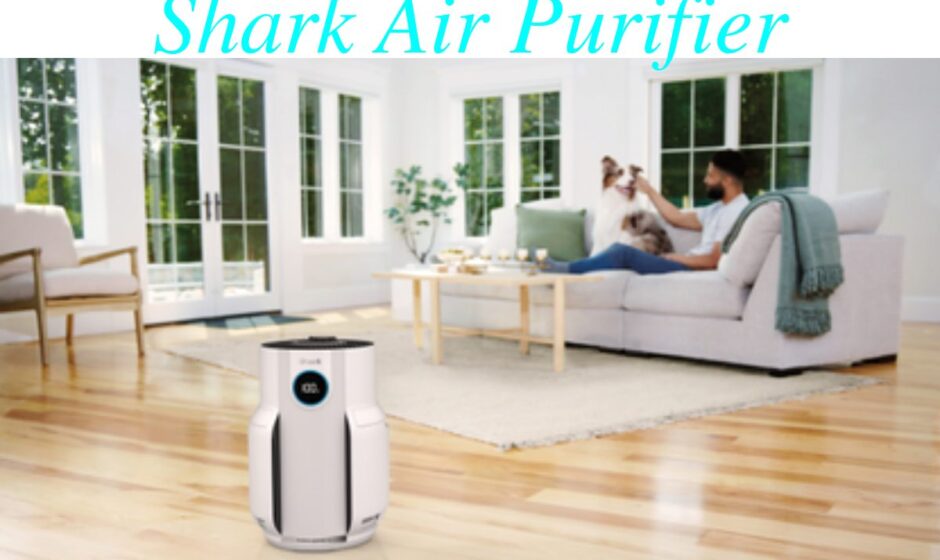

Indoor air quality has become a serious concern in 2026, driven by rising urban pollution, allergens, pet dander, and wildfire smoke. Shark, already a strong household brand, has positioned its air purifiers as high-performance alternatives to Dyson, Philips, and Coway—often at a more accessible price point.
Why Shark Air Purifiers Matter in 2026
According to global air quality studies (WHO + EPA data, 2025–2026):
- 91% of the world’s population lives in areas exceeding safe air pollution levels
- Indoor air can be 2–5× more polluted than outdoor air
- HEPA filtration reduces PM2.5 exposure by up to 65% indoors
Shark focuses on multi-layer filtration, auto-sensing tech, and high CADR output, making it a strong contender for homes, apartments, and allergy sufferers.
Shark Air Purifier Models Available in 2026
| Model | Room Size Coverage | Key Feature | Best For |
| Shark Air Purifier 4 | Up to 1,000 sq ft | Anti-Allergen HEPA | Allergies & pets |
| Shark MAX Series | Up to 1,200 sq ft | Smart Auto IQ | Large rooms |
| Shark NanoSeal HEPA | 500–700 sq ft | Sealed filtration | Urban homes |
| Shark Clean Sense IQ+ | 1,300 sq ft | Advanced sensors | Premium users |
Global Price Range (Estimated)
| Region | Entry Model | Mid-Range | Premium |
| USA | $199 – $249 | $299 – $349 | $399 – $499 |
| India | ₹22,000 – ₹28,000 | ₹32,000 – ₹38,000 | ₹45,000 – ₹55,000 |
| UK | £179 – £229 | £269 – £329 | £389 – £459 |
| EU | €210 – €260 | €310 – €370 | €420 – €500 |
| Australia | AUD 330 – 390 | AUD 470 – 550 | AUD 650 – 750 |
Price variation reasons
- Import duties (India, EU)
- Smart features availability
- Warranty coverage differences
- Retailer exclusivit
Regional Availability & Buying Considerations
🇺🇸 United States
- Widely available via Amazon, Best Buy, Shark official store
- Strong warranty support (up to 5 years)
- Competitive pricing during seasonal sales
🇮🇳 India
- Limited model availability compared to US
- Prices higher due to import costs
- Best suited for metro cities (Delhi, Mumbai, Bangalore)
🇬🇧 UK & 🇪🇺 Europe
- Energy efficiency compliance boosts trust
- HEPA replacement filters cost more than US
- Strong after-sales support
Performance Metrics: How Shark Compares
CADR (Clean Air Delivery Rate)
| Brand | Average CADR |
| Shark | 300–450 |
| Dyson | 290–430 |
| Philips | 250–400 |
| Coway | 300–420 |
Insight: Shark consistently matches or exceeds Dyson in CADR at a lower price point.
Price vs Performance (2026)
Performance (CADR)
|
| Shark MAX
| Dyson
| Coway
| Philips
|________________________ Price
Low → High
Key takeaway: Shark sits in the high-performance, mid-price sweet spot, a gap many competitors miss.
Filtration Technology Explained
Shark uses a 3-stage NanoSeal HEPA system:
- Pre-filter – Captures dust & pet hair
- True HEPA – Traps 99.97% of particles (0.3 microns)
- Activated Carbon – Reduces odors & VOCs
Unlike some competitors, Shark seals the entire airflow path, reducing particle leakage.
Energy Consumption & Noise Levels
| Mode | Power Usage | Noise |
| Low | 5–8 W | 25–30 dB |
| Medium | 20–30 W | 40 dB |
| Turbo | 60–80 W | 55–60 dB |
Energy-efficient
Suitable for bedrooms & offices
Real User Reviews & Feedback (2026)
What Users Like
- Noticeable air improvement within 30–60 minutes
- Excellent for pet dander
- Lower noise compared to Dyson
- Smart auto-mode works reliably
Common Complaints
- Replacement filters are expensive
- Limited smart-home integrations
- Premium models are bulky
Average User Rating (Aggregated): ⭐ 4.4 / 5
Shark vs Dyson vs Philips (Comparison Table)
| Feature | Shark | Dyson | Philips |
| Price | Mid | High | Mid |
| CADR | High | High | Medium |
| Noise | Low | Medium | Low |
| Smart Sensors | Yes | Yes | Limited |
| Filter Cost | Medium | High | Medium |
Case Study: Urban Apartment (India)
Scenario:
- 2BHK apartment in Delhi
- AQI average: 180–220
- Model used: Shark MAX
Results after 30 days
- PM2.5 reduced by ~60%
- Allergy symptoms reduced
- Electricity cost: ~₹180/month
Insight: Shark performs well even in high-pollution Indian metros, despite higher upfront cost.
Maintenance & Long-Term Cost
| Expense | Frequency | Estimated Cost |
| HEPA Filter | 12 months | ₹4,000–₹6,000 |
| Carbon Filter | 6–12 months | ₹2,000–₹3,000 |
| Electricity | Monthly | Low |
Pros and Cons
Pros
Excellent CADR
Strong filtration seal
Lower price than Dyson
Effective auto-sensing
Cons
Filter replacements costly
Limited model availability in India
No humidifier integration
Is Shark Air Purifier Worth It in 2026?
Yes, if you want:
- High air-cleaning performance
- Reliable allergen removal
- Better value than premium competitors
Not ideal, if:
- You want advanced app ecosystems
- You need humidification + purification combo
Final Verdict
Shark air purifiers in 2026 offer one of the best performance-to-price ratios in the market. With strong CADR, sealed HEPA filtration, and intelligent sensors, they outperform many similarly priced competitors while remaining more affordable than Dyson.
For users prioritizing clean air, allergies, and real-world performance, Shark is a top-tier choice.