


Data Security in Cloud Computing: Simple Guide to Keep Your Info Safe (2026)
Cloud computing makes life easy. Store files on Google Drive, run apps on AWS, share teams on Microsoft Teams—all online without big servers. Businesses save money and work faster. But hackers love clouds too. One wrong setting and your customer data, bank info, or secrets get stolen. Data security in cloud computing means protecting info from bad eyes.
In 2026, cloud breaches expose 11-14 billion records. Average cost $5.1 million per hit. Small biz closes after one attack. Don’t worry—this guide explains cloud security simple. What risks, how protect, best steps, tools, stats with graphs/tables. For business owners, IT newbies, or students. Let’s keep your data safe.
Why Data Security Matters in Cloud Computing
Cloud = your files on someone else’s computer (Amazon, Google). Fast, cheap, scale big. 94% businesses use cloud. But:
-
Hackers Target Easy: Wrong bucket setting = public files.
-
Human Mistakes: 44% breaches from worker error.
-
Laws Strict: GDPR fine €20M, HIPAA jail time.
Cloud Breach Stats Graph (2026 Avg – Text Bar)
Cost per Breach: ██████████ $5.1M
Misconfig Cause: ████████░░ 38%
Numbers from reports—risk real.
Good news: Simple steps cut risk 80%.
Common Risks in Cloud Data Security
Cloud dangers different from old servers. Top 7:
-
Misconfigurations (Biggest – 38%): Bucket “public read.” Files free download. Fix: Lock defaults.
-
Weak Access (48% Breaches): Shared passwords, no 2-step. Anyone log in.
-
Unpatched Software: Old app holes hackers use.
-
Insider Threats: Mad worker steal data.
-
DDoS Attacks: Flood site down.
-
Data Leaks: Info copy wrong place.
-
AI New Risks: Hackers poison training data.
Risk Ranking Table
| Risk | % Breaches | Easy Fix? |
|---|---|---|
| Misconfig | 38% | Yes |
| Bad Access | 48% | Yes |
| Stolen Keys | 29% | Medium |
| SaaS Wrong | 22% | Yes |
Cloud Security Models: Shared Responsibility
Cloud providers (AWS) secure buildings/power. You secure data/apps.
Shared Responsibility Pie (Text Graph)
Your Job: ████████████ (Data, Apps, Access 60%)
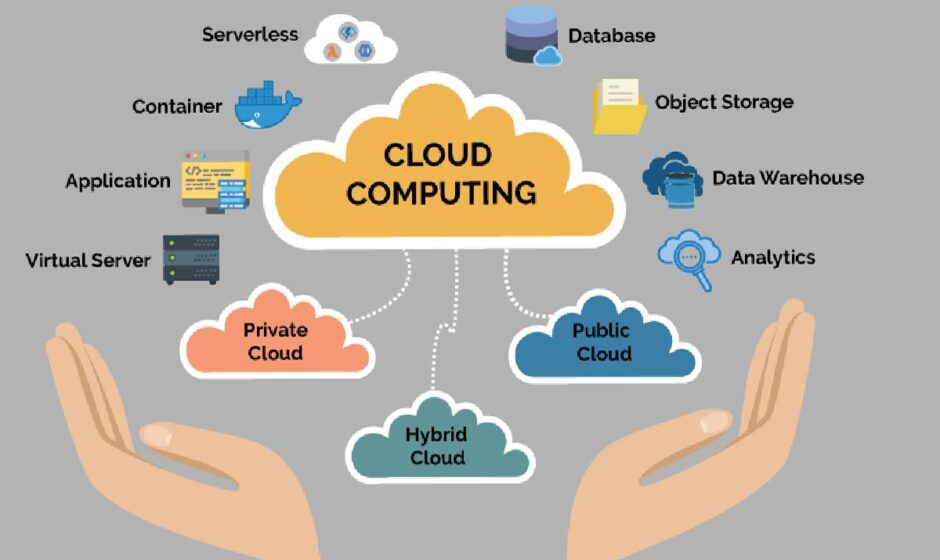
Types of Cloud Deployment & Security Risks
| Cloud Type | Description | Security Risk Level | Primary Concern |
|---|---|---|---|
| Public Cloud | Shared infrastructure | Medium | Data exposure |
| Private Cloud | Dedicated environment | Lower | Internal threats |
| Hybrid Cloud | Mix of public & private | Medium-High | Integration gaps |
| Multi-Cloud | Multiple providers | High | Misconfiguration |
Multi-cloud environments often increase misconfiguration risks, which are among the top causes of breaches.
Cloud Security Tools Comparison
| Feature | Basic Firewall | Advanced Cloud Security Suite |
|---|---|---|
| Threat Detection | Limited | AI-driven |
| Compliance Support | Minimal | Automated |
| Multi-Cloud Support | No | Yes |
| Real-Time Alerts | Basic | Advanced |
| Cost | Low | Moderate-High |
Advanced suites offer long-term ROI despite higher initial cost.
Best Practices for Data Security in Cloud (Step-by-Step)
Follow these 10 easy steps. Start today.
1. Encrypt Everything
Scramble data. Even stolen, can’t read.
-
At Rest: Files on drive (AES-256).
-
In Transit: HTTPS/TLS 1.3.
Encryption Table
| Type | When Use | Tools |
|---|---|---|
| Rest | Stored files | AWS KMS, Google EKM |
| Transit | Send/receive | TLS certs |
2. Strong Access Control
No shared logins.
-
Multi-Factor (2FA/MFA) every user.
-
Least Privilege: Give min needed.
-
Role-Based (RBAC): Admin only IT.
Access Risk Bar
No MFA: ██████████ High Risk
With MFA: ██░░░░░░░ Low
3. Monitor & Log All
Watch changes 24/7.
-
Cloud Trail (AWS logs).
-
SIEM tools alert bad.
Detection avg 72 days—cut to hours.
4. Fix Misconfigs Auto
Tools scan buckets daily.
-
CSPM (Cloud Security Posture Management).
-
Block public by default.
5. Backup & Test Recovery
3-2-1 Rule: 3 copies, 2 media, 1 offsite.
6. Train Staff Simple
Phishing test monthly. “Click? Check sender.”
7. Zero Trust Model
Trust no one. Check every login/device.
8. Use CASB for SaaS
Watch Google Workspace, Office 365.
9. Comply Easy
CIS Benchmarks free checklists.
10. Partner MSSP
Outsource watch if small team.
Best Practices Checklist Table
| Step # | Action | Priority |
|---|---|---|
| 1 | Encrypt data | High |
| 2 | MFA all users | High |
Core Cloud Security Technologies
| Technology | Purpose | Importance Level |
|---|---|---|
| Encryption | Protects stored & transferred data | Very High |
| IAM (Identity & Access Management) | Controls user access | Very High |
| MFA (Multi-Factor Authentication) | Extra login security | High |
| Firewalls | Network traffic control | High |
| SIEM | Threat monitoring | High |
| CASB | Cloud access monitoring | High |
Cost of Cloud Data Breaches
| Year | Average Breach Cost (USD Million) |
|---|---|
| 2022 | 4.2 |
| 2023 | 4.5 |
| 2024 | 4.9 |
| 2025 | 5.3 |
| 2026 | 5.8 (Projected) |
Cloud misconfiguration accounts for a significant portion of these costs.
Small Business vs Enterprise Cloud Security
| Factor | Small Business | Enterprise |
|---|---|---|
| Budget | Limited | High |
| Security Team | Small/Outsourced | Dedicated SOC |
| Risk Level | Medium | High |
| Compliance | Basic | Complex |
Small businesses are often more vulnerable due to limited resources.
Future Trends in Cloud Data Security
1. AI-Powered Threat Detection
AI identifies anomalies faster than manual monitoring.
2. Cloud-Native Security Platforms
Security built directly into cloud architecture.
3. Confidential Computing
Protects data even while being processed.
4. Extended Detection & Response (XDR)
Unified threat monitoring across environments.
Real-World Case Example
A mid-sized e-commerce company migrated to multi-cloud infrastructure.
Initial Problems:
-
Weak IAM policies
-
No encryption standards
-
Manual log monitoring
After implementing:
-
Zero trust model
-
Automated SIEM
-
Encryption at rest & transit
Results:
-
60% reduction in security incidents
-
Faster threat detection
-
Improved compliance
Conclusion
Data security in cloud computing is a continuous process — not a one-time setup.
As businesses increasingly rely on cloud platforms, protecting sensitive data becomes critical for survival, trust, and growth.
By implementing:
-
Strong encryption
-
Robust IAM
-
Zero trust architecture
-
Continuous monitoring
-
Regulatory compliance
Organizations can minimize risk and maximize cloud benefits.
The future of cloud computing is secure, intelligent, and AI-driven — but only for those who invest in proactive security strategies.